Essays
The Common App Personal Essay: How to Write One That Sounds Like You
The prompt you pick matters far less than whether the essay sounds like a real person. Here's how to get there — with insider perspective and guidance for Korean-speaking families.
The short answer: The Common App personal statement is one 250–650 word essay sent to every school on your list. Its job is to show who you are beyond grades and scores. Choose the prompt that fits your realest story — not the most impressive one — tell one specific moment, reflect on it honestly, and above all, make it sound like you.
What the personal essay actually is
The Common App personal statement is a single essay, between 250 and 650 words (aim near 650), that goes to every college on your Common App list. It is not a résumé, not a list of achievements, and not an argument for why you deserve admission. It answers one quiet question every admissions reader is asking: what do we know about you that grades, scores, and activities can’t tell us?
For the 2026–27 cycle, the Common App confirmed the same seven prompts it has used for several years. In plain terms, they invite you to write about:
- A background, identity, interest, or talent central to who you are
- A challenge, setback, or failure — and what you learned
- A time you questioned or challenged a belief or idea
- Something someone did for you that made you grateful in a surprising way
- An accomplishment or realization that sparked real personal growth
- A topic or idea you find genuinely engaging
- Anything you want — a topic of your choice
You respond to one. And here’s the part most families get backwards: which prompt you choose barely matters. Admissions officers don’t track or prefer prompts. A specific, honest essay on any prompt beats a polished-but-hollow essay on the “prestigious” one every time.
From Dr. Lee — an insider note. As a professor who has read and evaluated a great deal of student writing, I’ll tell you what actually happens on the other side of the desk. Readers move fast, and they’re really asking two things: can this student write, and who is this person? The essays that land are almost never the grand ones about winning the big award or curing a global problem. They’re small and specific — a particular afternoon, a real conversation, an honest change of mind — told in a voice that couldn’t belong to anyone else. Grand and generic is forgettable. Specific and honest is unforgettable.
What makes an essay work
- One small, specific moment. Not your whole life — a single scene you can render in detail. Depth beats breadth.
- Show, then reflect. Put the reader inside the moment, then tell them what it meant and how it changed you. Reflection is where the essay earns its place.
- Your real voice. It should sound like a thoughtful 17-year-old talking, not a thesaurus or a committee. If your friends wouldn’t recognize your voice in it, revise.
- Growth or insight. The reader should finish knowing something true about how you think or what you value.
Common mistakes
- Writing a résumé in prose. Listing accomplishments instead of telling one story.
- Trying to sound impressive. Big words and grand themes read as insecurity. Simple and honest reads as confidence.
- No reflection. Recounting an event without showing what it meant.
- Generic themes — the winning-game, the mission-trip, the “I learned teamwork” essay. If thousands of students could have written it, it isn’t yours.
- Over-polishing (including AI). An essay buffed until it has no fingerprints — or run through AI — reads as hollow, and increasingly, as inauthentic. Voice matters more than polish.
For Korean-speaking families — the patterns I see most
This is where I speak directly to the families this site serves. The personal essay is where cultural instincts help Korean and Korean-American students the least — and where a little awareness changes everything.
- Humility fights the assignment. Korean culture prizes modesty; the US personal essay asks you to center your own voice and growth. Many strong students write essays that deflect credit or stay so modest they reveal nothing. Showing your growth honestly is not bragging — it’s the entire task. Say what you thought, felt, and learned, plainly.
- The essay must sound like the student — not a parent, hagwon, or consultant. Korean families are deeply involved, and that love often becomes heavy editing. But admissions readers are expert at hearing when an adult’s voice takes over. An imperfect essay in the student’s real voice beats a polished one that sounds 45 years old.
- Beware the translated-stiffness trap. Essays drafted in Korean and translated, or written to sound “sophisticated” in English, come out formal and distant. Write plainly. Natural beats fancy.
- The immigrant-hardship essay is a cliché unless it’s specifically yours. “My parents sacrificed everything / I’m caught between two cultures” is true for millions — and reads as generic. If you write about your heritage (a wonderful topic), anchor it in one concrete, personal, specific detail only you could tell.
- Stop listing achievements. Students trained in a stats-driven system default to proving their worth with accomplishments. The personal essay does the opposite: one small human moment, deeply felt. Your résumé lives elsewhere in the application.
- English as a second language: keep your voice. Don’t over-polish until the essay loses you. A genuine voice with a little imperfection is far more compelling — and more credible — than a flawless, generic one.
The reframe I offer every family: the goal isn’t to sound impressive. It’s to sound unmistakably, specifically like your child. That is what admissions officers remember.
A simple process
- Brainstorm stories, not topics. List small, real moments that changed how you see something.
- Pick the one with the most honest reflection in it — then find the prompt it fits (often Prompt 7).
- Draft fast and messy in your own voice; don’t edit while drafting.
- Revise for specificity and voice — cut the generic, keep the true. Read it aloud.
- Get light feedback, not a rewrite. Others can flag what’s unclear; the words should stay yours.
Key takeaways
- The personal statement (250–650 words) shows who you are beyond stats; the prompt barely matters.
- Tell one small, specific moment with honest reflection — not a résumé or a grand theme.
- The single most important quality is an authentic voice that sounds like you.
- Korean-speaking families: resist over-editing, skip clichés and achievement-listing, and let humility give way to honest self-reflection.
Sources
The Common Application (2026–27 personal statement prompts and word limits, confirmed February 2026); official Common App guidance.
Disclaimer: This article is for general educational purposes and is not admissions advice or a guarantee of any outcome. Prompts and requirements can change — always confirm current details with the Common Application and each college.
About the author
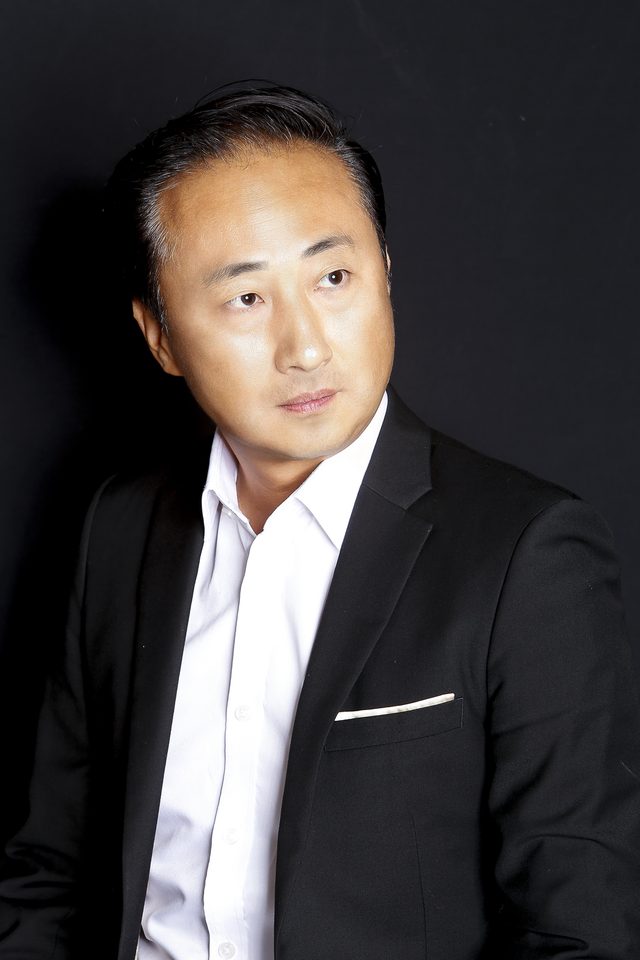
Dr. Joungmin LeeDr. Joungmin Lee holds a Doctor of Musical Arts from The Ohio State University and is a university professor, internationally award-winning composer, and author of the #1 Amazon best-seller Winning Competitions: It's Not Luck, It's a System. Bilingual in Korean and English, he founded College Gate Strategy to help Korean-speaking families navigate US college admissions with clarity. Read more →
에세이
커먼앱 개인 에세이: '나답게' 들리는 글 쓰는 법
어떤 프롬프트를 고르느냐보다, 그 글이 진짜 사람처럼 들리느냐가 훨씬 중요합니다. 거기에 이르는 법을 — 내부자 시선과 한인 가정을 위한 안내와 함께 — 정리합니다.
짧은 결론: 커먼앱 개인 에세이는 리스트의 모든 학교로 보내지는 250~650단어짜리 한 편의 글입니다. 성적·점수 너머의 당신이 누구인지를 보여주는 게 목적입니다. 가장 인상적인 프롬프트가 아니라 가장 진솔한 이야기에 맞는 프롬프트를 고르고, 하나의 구체적 순간을 이야기하고, 정직하게 성찰하고, 무엇보다 나답게 들리게 하세요.
개인 에세이란 실제로 무엇인가
커먼앱 개인 에세이는 250~650단어(650에 가깝게 권장)의 한 편의 글로, 커먼앱 리스트의 모든 대학에 전달됩니다. 이력서도, 업적 나열도, “내가 합격할 자격이 있다”는 주장도 아닙니다. 모든 입학사정관이 조용히 던지는 하나의 질문에 답하는 글입니다: 성적·점수·활동이 말해줄 수 없는, 당신에 대해 우리가 알아야 할 것은 무엇인가?
2026–27 시즌에도 커먼앱은 수년간 써온 동일한 7개 프롬프트를 확정했습니다. 쉬운 말로, 다음에 대해 쓰라고 합니다:
- 당신이 누구인지에 중심이 되는 배경·정체성·관심·재능
- 도전·좌절·실패 — 그리고 거기서 배운 것
- 어떤 믿음이나 생각을 의심하거나 도전했던 때
- 누군가가 당신에게 해준 일이 뜻밖의 방식으로 감사하게 만든 경험
- 진짜 성장을 촉발한 성취나 깨달음
- 진정으로 흥미를 느끼는 주제나 아이디어
- 무엇이든 — 자유 주제
이 중 하나에 답합니다. 그리고 대부분의 가정이 거꾸로 아는 부분 — 어떤 프롬프트를 고르느냐는 거의 중요하지 않습니다. 사정관은 프롬프트를 추적하지도, 선호하지도 않습니다. 어떤 프롬프트든 구체적이고 정직한 에세이가, “명성 있어 보이는” 프롬프트에 쓴 매끈하지만 공허한 에세이를 매번 이깁니다.
이정민 박사의 내부자 메모. 학생 글을 많이 읽고 평가해온 교수로서, 책상 반대편에서 실제로 무슨 일이 일어나는지 말씀드립니다. 읽는 사람은 빠르게 움직이고, 사실 두 가지를 묻고 있습니다: 이 학생은 글을 쓸 줄 아는가, 그리고 이 사람은 누구인가? 마음에 남는 에세이는 큰 상을 탄 이야기나 세계 문제를 해결한 거창한 이야기가 거의 아닙니다. 작고 구체적입니다 — 특정한 어느 오후, 진짜 나눈 대화, 정직한 생각의 변화 — 그리고 그 누구의 것도 될 수 없는 목소리로 쓰여 있습니다. 거창하고 일반적인 건 잊히고, 구체적이고 정직한 건 잊히지 않습니다.
좋은 에세이의 조건
- 작고 구체적인 하나의 순간. 인생 전체가 아니라, 세밀하게 그려낼 수 있는 한 장면. 넓이보다 깊이.
- 보여준 뒤, 성찰하라. 독자를 그 순간 안에 데려간 뒤, 그것이 무슨 의미였고 당신을 어떻게 바꿨는지 말하세요. 성찰이야말로 에세이가 제자리를 얻는 지점입니다.
- 진짜 당신의 목소리. 사전이나 위원회가 아니라, 사려 깊은 열일곱 살이 말하는 것처럼 들려야 합니다. 친구가 그 안에서 당신 목소리를 못 알아본다면, 고치세요.
- 성장 또는 통찰. 다 읽고 나면 독자가 당신의 사고방식이나 가치관에 대해 무언가 진실한 걸 알게 되어야 합니다.
흔한 실수
- 산문으로 쓴 이력서. 하나의 이야기 대신 업적을 나열하기.
- 인상적으로 보이려 애쓰기. 어려운 단어와 거창한 주제는 불안으로 읽힙니다. 단순하고 정직한 건 자신감으로 읽힙니다.
- 성찰 없음. 사건을 늘어놓기만 하고 그 의미를 보여주지 않기.
- 일반적인 주제 — 우승 경기, 봉사 여행, “협동을 배웠다”류. 수천 명이 쓸 수 있는 글이면, 당신 것이 아닙니다.
- 과도한 다듬기(AI 포함). 지문이 다 지워질 때까지 광낸 글 — 또는 AI를 거친 글 — 은 공허하게, 그리고 점점 더 비진정하게 읽힙니다. 광택보다 목소리입니다.
한인 가정을 위한 — 제가 가장 많이 보는 패턴
이 사이트가 대상으로 하는 가정에게 직접 드리는 이야기입니다. 개인 에세이는 문화적 본능이 한인·한국계 학생에게 가장 안 도와주는 지점이자, 작은 인식 하나가 모든 걸 바꾸는 지점입니다.
- 겸손이 과제와 싸웁니다. 한국 문화는 겸손을 귀히 여기지만, 미국 개인 에세이는 자신의 목소리와 성장을 중심에 두라고 요구합니다. 훌륭한 학생조차 공을 돌리거나, 너무 겸손해서 아무것도 드러내지 않는 에세이를 씁니다. 자신의 성장을 정직하게 보여주는 건 자랑이 아니라 — 과제 그 자체입니다. 무엇을 생각하고, 느끼고, 배웠는지 담백하게 말하세요.
- 에세이는 학생처럼 들려야 합니다 — 부모·학원·컨설턴트가 아니라. 한인 가정은 깊이 관여하고, 그 사랑이 종종 과도한 첨삭이 됩니다. 하지만 사정관은 어른의 목소리가 끼어든 걸 기막히게 알아챕니다. 학생의 진짜 목소리로 쓴 불완전한 에세이가, 마흔다섯 살처럼 들리는 매끈한 에세이를 이깁니다.
- 번역투의 함정을 조심하세요. 한국어로 쓴 뒤 번역했거나, 영어로 “고급스럽게” 들리려 쓴 글은 형식적이고 거리감 있게 나옵니다. 담백하게 쓰세요. 자연스러움이 화려함을 이깁니다.
- 이민 고생 이야기는 구체적으로 당신 것이 아니면 클리셰입니다. “부모님이 모든 걸 희생하셨다 / 두 문화 사이에 끼어 있다”는 수백만 명에게 사실이고 — 일반적으로 읽힙니다. 유산에 대해 쓴다면(훌륭한 주제입니다), 오직 당신만이 말할 수 있는 하나의 구체적·개인적 디테일에 닻을 내리세요.
- 업적 나열을 멈추세요. 성적 중심 시스템에서 훈련된 학생은 업적으로 자기 가치를 증명하려 합니다. 개인 에세이는 정반대입니다: 깊이 느낀 작고 인간적인 순간 하나. 이력서는 지원서의 다른 곳에 있습니다.
- 영어가 제2언어라면: 목소리를 지키세요. 당신이 사라질 때까지 과도하게 다듬지 마세요. 약간의 불완전함이 있는 진짜 목소리가, 흠 없지만 일반적인 목소리보다 훨씬 매력적이고 — 더 믿을 만합니다.
제가 모든 가정에 드리는 재구성: 목표는 인상적으로 들리는 게 아닙니다. 틀림없이, 구체적으로 내 아이답게 들리는 것입니다. 그것이 사정관이 기억하는 것입니다.
간단한 진행법
- 주제가 아니라 이야기를 브레인스토밍. 무언가를 보는 관점을 바꾼 작고 진짜인 순간들을 적으세요.
- 가장 정직한 성찰이 담긴 하나를 고르고 — 그다음 맞는 프롬프트를 찾으세요(대개 7번).
- 자신의 목소리로 빠르게, 거칠게 초안을 쓰세요. 쓰는 중엔 고치지 마세요.
- 구체성과 목소리를 위해 수정 — 일반적인 건 자르고, 진짜인 건 남기세요. 소리 내어 읽어보세요.
- 다시 쓰기가 아니라 가벼운 피드백을 받으세요. 남들은 불분명한 곳을 짚어줄 수 있지만, 단어는 당신 것으로 남아야 합니다.
핵심 요약
- 개인 에세이(250~650단어)는 성적 너머 당신이 누구인지를 보여줍니다. 프롬프트는 거의 중요하지 않습니다.
- 이력서나 거창한 주제가 아니라, 정직한 성찰이 담긴 작고 구체적인 순간 하나를 이야기하세요.
- 가장 중요한 단 하나의 자질은 나답게 들리는 진짜 목소리입니다.
- 한인 가정: 과도한 첨삭을 삼가고, 클리셰와 업적 나열을 피하고, 겸손을 정직한 자기 성찰에 자리를 내주세요.
출처
커먼 애플리케이션(2026–27 개인 에세이 프롬프트·단어 수, 2026년 2월 확정); 커먼앱 공식 안내.
면책 조항: 본 글은 일반적인 교육 목적이며 입시 자문이나 결과 보장이 아닙니다. 프롬프트와 요건은 바뀔 수 있습니다 — 최신 내용은 커먼 애플리케이션과 각 대학에서 확인하세요.
저자 소개
이정민 박사 (Dr. Joungmin Lee)이정민 박사는 미국 오하이오 주립대학교에서 음악예술박사(DMA)를 받은 대학교수이자 국제적으로 수상한 작곡가이며, 아마존 베스트셀러 1위 『Winning Competitions: It's Not Luck, It's a System』의 저자입니다. 한국어·영어 이중언어 사용자로서, 한국어권 가정이 미국 대학 입시를 명확하게 헤쳐 나가도록 돕기 위해 College Gate Strategy를 설립했습니다. 자세히 보기 →